From 6.6 to 24.1: Centre for Life’s blended paid return
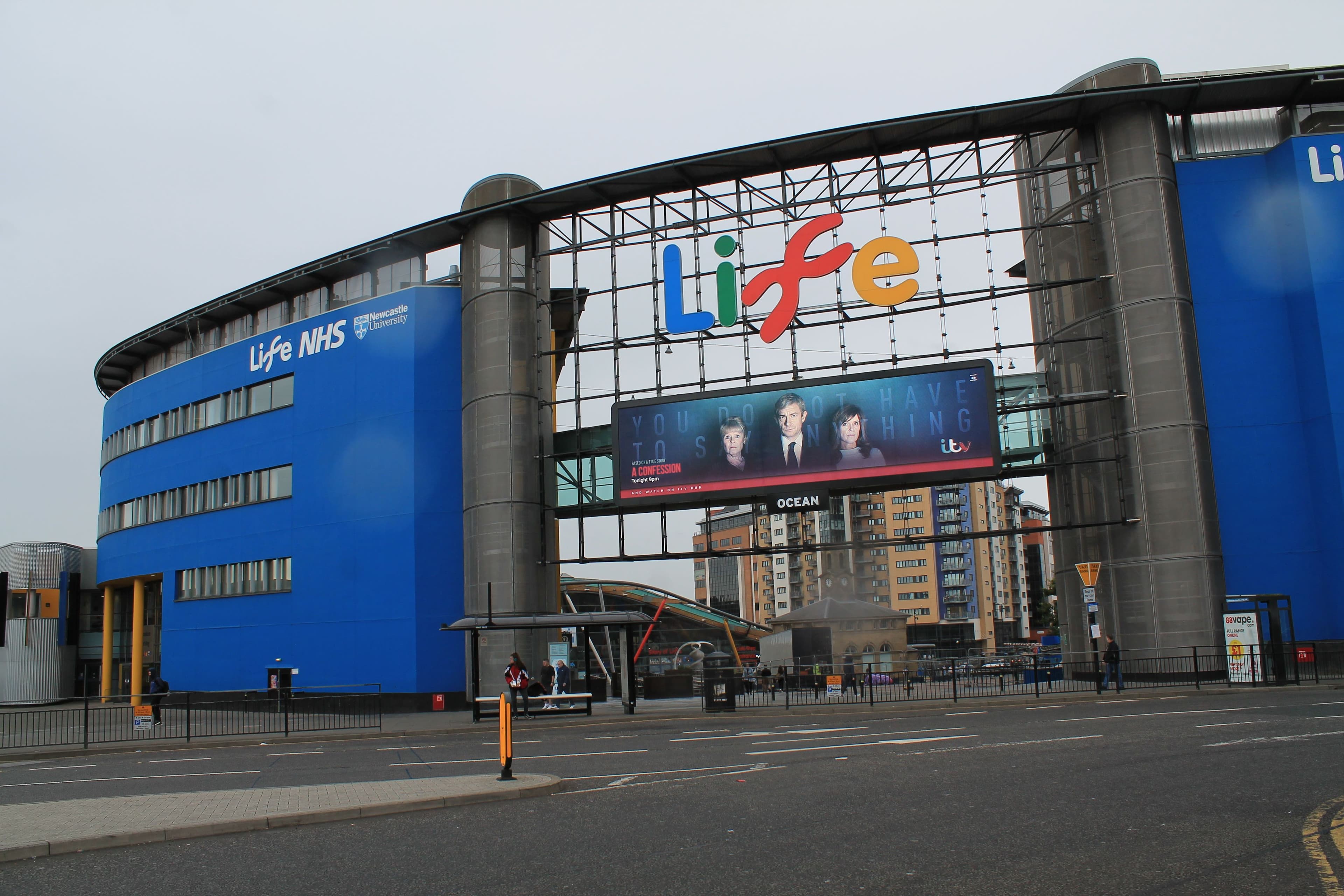
Centre for Life is a Newcastle science centre and family attraction whose demand swings hard with the school calendar. Across the year to April 2026, Mira reshaped its PPC, Paid Social and SEO around that calendar: pulling spend back and sharpening intent through the quiet winter, then scaling all three channels together into the spring dinosaur exhibit and Easter holidays. Measured in April against the same month a year earlier on roughly the same blended budget, paid return rose from 6.6 to 24.1, Paid Social purchases increased by 289%, and organic clicks grew by 144.5%.
24.1×
blended paid return · roughly matched budget
24.1×
Blended paid return
+289%
Paid Social purchases
+144.5%
Organic clicks
Where it hurt
Centre for Life’s revenue rises and falls with the school holidays, half-terms, Christmas and Easter. It competes for the same “what shall we do with the kids?” attention as every other regional attraction, although its indoor, weather-proof offer gives it a valuable edge in the changeable North East weather.
A year earlier, the paid accounts were working but lacked a strong seasonal shape. Budget sat fairly flat month to month, meaning money was spent into quiet demand while the biggest commercial moments were not backed as strongly as they deserved. With the spring dinosaur exhibit opening on 28 March 2026, the opportunity was to make PPC, Paid Social and SEO work around the calendar rather than against it.
What we saw
For a seasonal attraction, flat spend is the quiet leak. The months when families are not planning days out do not reward budget, while the weeks when they are planning reward it many times over. Mira saw that the lever was timing and intent, not more money: prove efficiency in the quiet months by spending less and converting better, then concentrate the budget on the peak, with creative, content and landing-page intent all pointed at the same high-value demand. The dinosaur exhibit became the anchor for the whole calendar.
What we did, and why
01 · Diagnose the seasonal leakage
Flat monthly spend across a highly seasonal calendar was leaking budget in the troughs and under-working the peaks. Efficiency and timing, rather than additional budget, were the real levers.
02 · Decide when to hold and when to scale
Pull spend back and tighten activity around converting intent through the winter, then scale PPC, Paid Social and SEO together into the dinosaur launch and Easter holidays.
03 · Execute around one anchor moment
Consolidate PPC around the terms that converted, test Paid Social creative weekly, and build SEO visibility for seasonal and local searches before demand arrived. The dinosaur exhibit connected the creative, content and ticketing journey across every channel.
The numbers, in plain language
Measured in April 2026 against April 2025, on roughly matched blended spend, paid media return on ad spend rose from 6.6 to 24.1 — around 3.6 times the return on about the same total budget.
Paid Social return on ad spend rose from 8.41 to 32.31. Purchases increased by 289% on a 39% budget increase, while click-through rate rose from 0.68% to 1.37%. The build-up had already proved the model in March, when return on ad spend increased by 148% year on year on 45% less spend. The animated dinosaur promotion was the strongest individual creative, returning 39.4 times its spend.
PPC conversions increased by 735.5% and conversion value by 732.1%. Return on ad spend rose by 426.5%, click-through rate increased by 110.2%, and cost per conversion fell by 81.1%. February demonstrated the efficiency case early, with return on ad spend up 97% year on year on 62% less budget. The international-facing account also scaled, with conversion value up 383.9%, conversion rate up 133.4%, and cost per conversion down 73.3%.
Organic clicks increased by 144.5%, from 11.1K to 27.1K, while impressions rose by 113.4%. The commercial pages led the growth: the family events and activities page increased by 1,033%, while the buy-tickets page grew by 537%. High-intent local searches also went from a standing start to meaningful volume, with “things to do in Newcastle with kids” rising from 1 to 50 clicks and “planetarium near me” from 1 to 35.
Blended paid
- Lead result
- ROAS: 6.6 → 24.1
- Supporting result
- Roughly matched budget
Paid Social
- Lead result
- Purchases: +289%
- Supporting result
- ROAS: 8.41 → 32.31
PPC
- Lead result
- Conversions: +735.5%
- Supporting result
- Cost per conversion: −81.1%
SEO
- Lead result
- Organic clicks: +144.5%
- Supporting result
- Impressions: +113.4%
| Channel | Lead result | Supporting result |
|---|---|---|
| Blended paid | ROAS: 6.6 → 24.1 | Roughly matched budget |
| Paid Social | Purchases: +289% | ROAS: 8.41 → 32.31 |
| PPC | Conversions: +735.5% | Cost per conversion: −81.1% |
| SEO | Organic clicks: +144.5% | Impressions: +113.4% |
The Paid Social work.
For brands like yours
Seasonal businesses often do not need larger budgets; they need budgets that match demand. Spending less when demand is naturally low leaves more available for the periods that matter most. Combined with coordinated PPC, Paid Social and SEO, this can produce significantly stronger returns without increasing overall spend. The season is not something that happens to you; it is something you plan the whole year around.
“Great agency to work with. The team is responsive, proactive and always quick to react to campaign performance. We find our monthly review calls particularly useful, providing clear insights and recommendations. Having SEO, PPC, and paid social support all under one roof works really well for us, and it's clear the team collaborates closely across channels. We've seen some impressive results since they took over our account. For example, paid social revenue increased by 144% in 2025 compared with 2024. A knowledgeable and supportive team that genuinely feels like an extension of our own marketing department.”
Nathan Wadwell
Digital Marketing Manager, Centre for Life

Book a 20-minute call.
Tell us which part of this looks like your business, and what's different.